
2026 Consumer Habits: How Businesses Are Adapting
Quebec and Canadian consumers have radically transformed the way they shop over the past few years. Between the explosion of e-commerce, the enthusiasm for contactless experiences, and the constant search for convenience, 2026 is shaping up to be a pivotal year where customer expectations reach unprecedented heights. For merchants, understanding these new habits is no longer a luxury—it’s an absolute necessity.
Fluidity above all: when every second counts
Let’s face it: people are in a hurry. Really in a hurry. The days when customers accepted waiting several minutes to complete a payment are over. In 2026, transaction speed has become a determining selection criterion. Endless checkout lines? A nightmare no one wants to relive. Consumers now favor businesses that offer a smooth experience from start to finish.
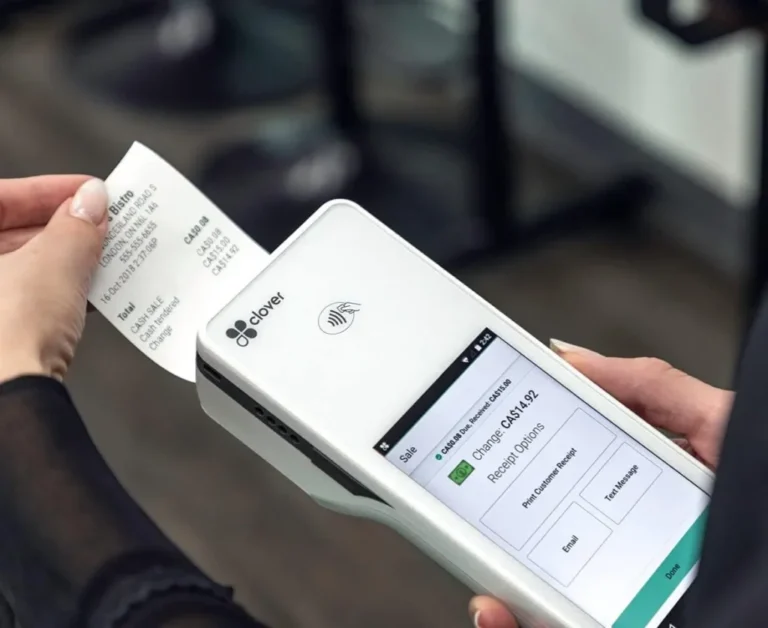
This quest for speed is particularly evident at the point of payment. Customers expect their transaction to be processed in seconds, regardless of the payment method chosen. Debit card, credit card, mobile payment, or digital wallet—all these methods must work flawlessly. A sluggish terminal or one that rejects a transaction for no valid reason can be enough to drive a customer to the competition.
Contactless payment: much more than a passing trend
If you thought contactless payment was simply a temporary reaction to the pandemic, think again. In 2026, this method has become the absolute norm. Consumers have developed a real aversion to transactions that require handling terminals or entering a PIN when it’s not necessary.
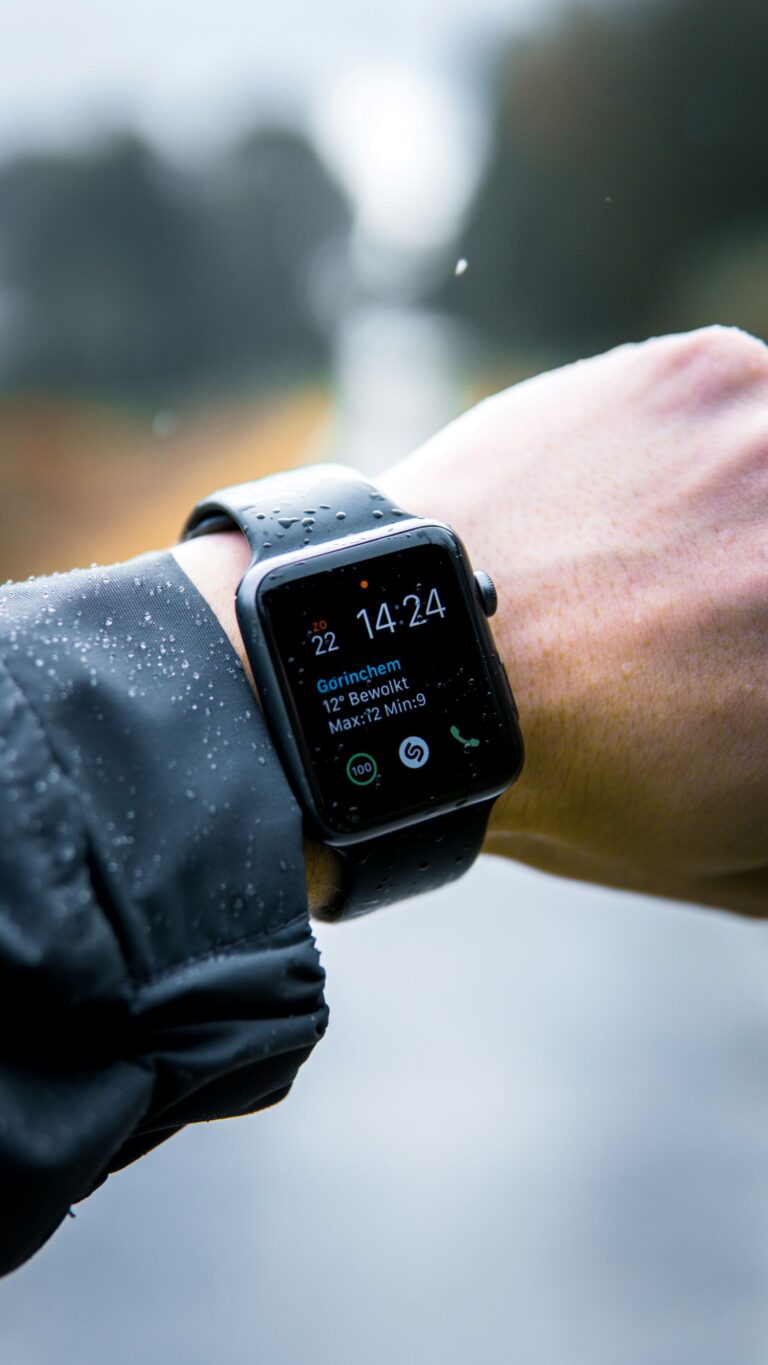
“Tap and go” reigns supreme, whether with a physical card, smartphone, or connected watch. Contactless transaction limits have been significantly increased, allowing customers to settle large purchases without having to insert their card. This simplicity has become a standard that all businesses must meet to remain competitive.
Omnichannel is no longer optional
Your customers no longer think in terms of “physical store” versus “online shop.” For them, your business is one and the same entity, accessible in multiple ways. They want to be able to order online and pick up in store, return an item purchased online at the physical location, or start their shopping on their phone and finish it in person.
This fluidity between channels requires your payment systems to be perfectly integrated. Modern payment solutions must be able to handle all these situations without creating friction. A customer who pays online must find their transaction history in-store. Loyalty programs must work everywhere. Refunds must be processed quickly, regardless of where the initial purchase was made.
Security: a non-negotiable priority
With the increase in online fraud and the growing sophistication of cybercriminals, consumers have become extremely vigilant about protecting their financial data. In 2026, a merchant who doesn’t offer solid security guarantees risks losing customer trust in the blink of an eye.
Customers expect their personal and banking information to be protected by cutting-edge encryption technologies. They want instant transaction confirmations, alerts in case of suspicious activity, and the certainty that their data will never be compromised. PCI-DSS standards and advanced security protocols are no longer selling points—they’re absolute prerequisites.
Total transparency on fees
Nothing frustrates a modern consumer more than hidden fees that appear at the time of payment. In 2026, customers demand total transparency. They want to know exactly how much they’re going to pay before confirming their purchase, with no unpleasant surprises at the final step.
This demand for clarity also extends to payment options. Consumers appreciate when businesses offer them a varied choice of payment methods, but they hate when certain options carry unannounced additional fees. Trust is built on honesty, and merchants who play fair with their customers reap the rewards.
Mobile experience as a cornerstone
The smartphone is no longer simply a communication tool—it has become the central hub of consumers’ lives. In 2026, a huge portion of transactions are made via mobile devices, and this proportion continues to climb. Customers want to be able to do everything from their phone: browse products, compare prices, read reviews, and of course, pay in a few clicks.
For physical stores, this also means offering mobile payment experiences in-store. Traditional checkout lines are increasingly perceived as outdated. Customers appreciate solutions that allow them to scan their items and pay directly from their phone, without interaction with a cashier.
How businesses can stay in the race
Faced with these new realities, merchants must rethink their payment infrastructure. It’s no longer just about having a terminal that works, but about creating a payment experience that meets all modern expectations: speed, security, flexibility, and simplicity.
Today’s payment solutions must be able to adapt to all scenarios. They must accept all types of cards and mobile payments, integrate seamlessly with existing management systems, work both online and in-store, and offer advanced features such as tip management, integrated loyalty programs, and detailed real-time reporting.
This is exactly what DRS Payments offers with its comprehensive and scalable payment solutions. Designed for Canadian merchants who want to stay ahead, DRS Payments technologies allow you to accept all popular payment methods while guaranteeing bank-level security. Whether you manage a small retail business, a busy restaurant, or a service company, DRS Payments offers flexible tools that adapt to your specific needs and evolve with your business.
By investing in modern and reliable payment systems, you’re not just following 2026 trends—you’re positioning your business to thrive in the years to come, offering your customers exactly what they’re looking for: a frictionless, secure, and enjoyable shopping experience from start to finish.