
Connected hikers consumer trends
Outdoor trails attract a growing number of adventure seekers looking for freedom, exploration, and a break from daily routines. Hiking is no longer just a sport reserved for mountain enthusiasts. It has become a lifestyle that influences purchasing habits, digital behaviors, and customer expectations. Modern hikers are now looking for smooth experiences, specialized gear, and fast services adapted to their needs.
This evolution is also transforming businesses connected to the outdoor industry. Specialized stores, seasonal shops, equipment rental companies, and booking platforms must now meet much higher expectations.
New habits among hikers
Consumers who enjoy hiking increasingly prioritize quality and durability when shopping. Technical backpacks, breathable clothing, waterproof shoes, and multifunctional accessories continue to gain popularity. Buyers also spend more time comparing products online before making a purchase.
The digital shift strongly impacts this industry. Many hikers use their phones to search for trails, read reviews, book accommodations, or buy equipment directly before leaving for a trip. This reality pushes businesses to offer simple and fast purchasing experiences.
Consumers also appreciate brands that promote strong environmental values. Recycled products, reduced packaging, and eco-friendly initiatives continue to gain traction. This trend directly influences buying decisions and customer loyalty.
The rise of mobile shopping
Mobile commerce now plays a central role in hikers’ purchasing habits. Many consumers make purchases while traveling or directly from the trails when preparing last-minute adventures.
Online outdoor stores must therefore provide mobile-friendly platforms. Slow navigation or complicated checkout processes can quickly discourage buyers.
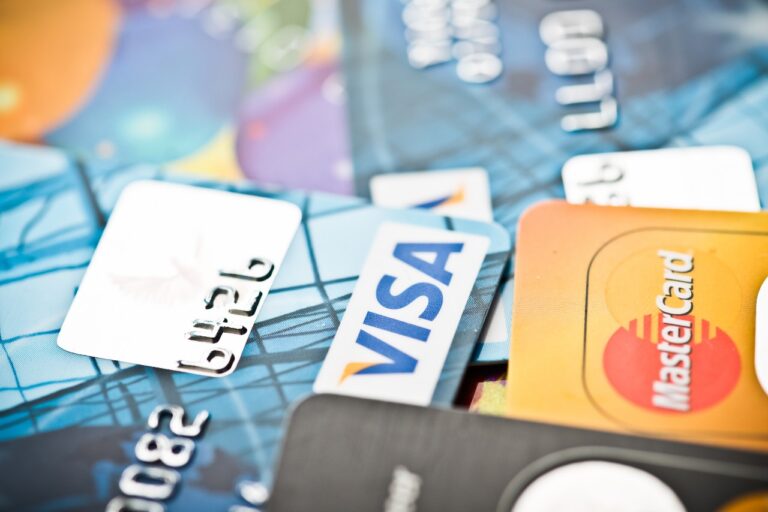
Consumers are also looking for secure and fast transactions. Diverse payment options, including credit cards, digital wallets, and contactless payments, have become essential to meet modern expectations.
This evolution highlights the importance of integrating effective payment solutions that simplify the customer experience while protecting personal data.
The growing importance of personalized experiences
Modern hikers enjoy receiving recommendations tailored to their interests. Businesses that use customer data intelligently can suggest targeted products based on seasons, destinations, or purchasing habits.
For example, a consumer who recently purchased an ultralight tent could receive recommendations for hiking poles, sleeping bags, or camping kitchen accessories.
This level of personalization helps create stronger relationships between businesses and customers. It also increases long-term customer loyalty.
Digital rewards programs and personalized promotions are therefore becoming valuable tools for outdoor businesses.
The growing role of social media
Instagram, TikTok, and YouTube strongly influence the decisions of hiking enthusiasts. Outdoor content creators inspire thousands of consumers to discover new products and destinations.
Businesses that collaborate with influencers or publish authentic content often succeed in attracting more attention from consumers. Videos showing products being used in real mountain or travel situations are especially popular.
Customer reviews also play a major role. Hikers frequently check comments before booking activities or purchasing specialized equipment.
This digital visibility creates more sales opportunities, but it also requires a consistent and fast purchasing experience from beginning to end.
Expectations toward outdoor retailers
Today’s consumers expect efficient service. Long checkout processes or technical issues can quickly result in lost sales.
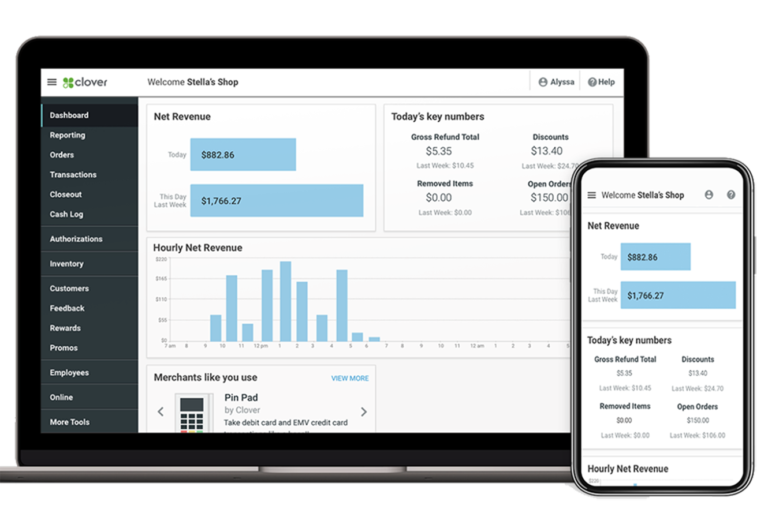
Businesses must therefore rely on reliable technological tools to simplify transactions both online and in-store. Seasonal shops and mobile businesses operating at outdoor events must also be able to accept multiple payment methods quickly.
Integrating high-performing payment solutions helps improve the overall customer experience. It also reduces cart abandonment and encourages impulse purchases, which are common in the outdoor industry.
Consumers especially appreciate systems that provide secure and flexible payments regardless of where they shop.
Why businesses must adapt quickly
The outdoor market continues to evolve rapidly, and competition is becoming stronger. Consumers can now access countless local and international stores within seconds.
Businesses that delay modernizing their customer experience risk losing market share. Consumer expectations continue to rise, especially among younger generations accustomed to fast and intuitive platforms.
Transaction speed, simple mobile purchases, and multiple payment options now directly influence customer satisfaction.
This is where specialized partners like DRS Payments can play an important role for businesses connected to tourism, sports, and outdoor activities.
How DRS Payments supports the outdoor industry
Businesses targeting hikers must provide a modern purchasing experience capable of following new consumer habits. Through services adapted to businesses of all sizes, DRS Payments helps companies simplify transactions and improve operational efficiency.
Merchants can benefit from flexible payment solutions designed for online sales, physical stores, and mobile operations. This versatility represents a significant advantage for businesses operating at outdoor festivals, tourist locations, or sporting events.
Transaction security also remains a major priority for consumers. DRS Payments allows businesses to offer reliable payment experiences while facilitating the integration of modern technologies adapted to evolving market expectations.
As hiking consumer habits continue to evolve, businesses capable of offering a smooth and secure experience will be better positioned to attract and retain customers.
The outdoor industry continues to grow, and consumers now expect much more than simple products. They want fast, personalized experiences adapted to their active lifestyles. Businesses investing in efficient tools and modern payment solutions will be better equipped to meet these new expectations and stand out in a highly competitive market.